My Latest Work

Making Hydrological Forecasting Accessible to Non-Scientists (Global Resilience Institute, 2024–2025)

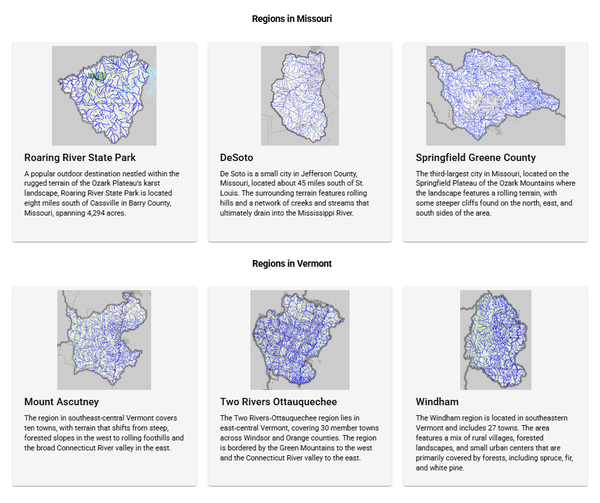
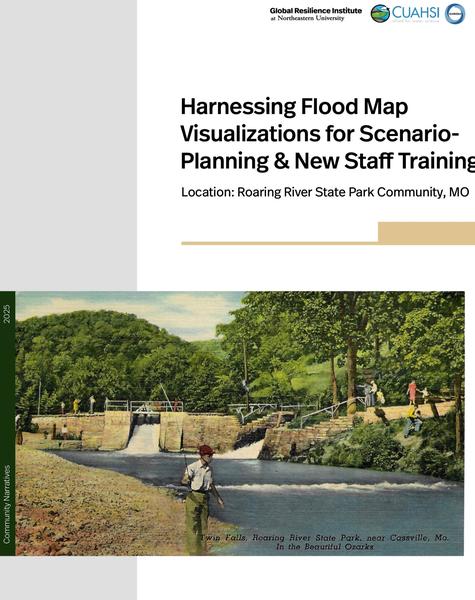
Hydrological models like NOAA’s National Water Model (NWM) are powerful but often inaccessible to local water decision-makers without technical expertise. At the Global Resilience Institute, I worked with researchers and hydrologists to bridge that gap through user research, interviews, and community engagement methods to translate of complex technical information into accessible materials for non-technical audiences. The product was FloodSavvy—an interface that reshapes NWM insights into actionable information and makes highly technical data understandable to emergency managers, planners, and local practitioners. My work focused on technical writing, research communication, project and team management, and engagement with participating communities.

My Contributions:

  • Conducted interviews with practitioners across six diverse U.S. communities
  • Identified user needs and technical pain points
  • Managed timelines and deliverables across researchers, hydrologists, and community partners
  • Wrote articles explaining how we co-developed this resource alongside communities and three community narratives on how they are implementing this tool within their work
  • Co-created a step-by-step NWM tutorial for first-time users 
  • Co-authored a public-facing materials, like blog posts, website content and social media posts

Prior Work

The articles below come from earlier roles in international development research and journalism, where I worked on cross-country research studies, managing and conducting research and journalism projects on labor rights in Latin America.  Additional pieces come from roles as a journalism TA and in communications positions such as my work with the ACLU.

Event Recap: The Critical Role of Creative Expression in Achieving Preparedness and Resilience in Uncertain Times

On July 15, 2021, GRI distinguished senior fellow, Dr. Julia Byers, LMHC, ATR-BC, led an online panel discussion on the role of creative expression to enhance resilience and humanitarian work during uncertain times. For the past 40 years, Dr. Byers has been working in over 25 countries providing humanitarian aid through expressive art, play therapies and mental health counseling.

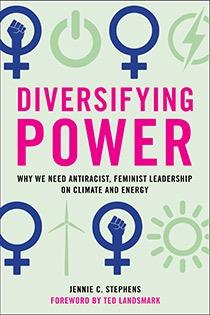
Q&A with Dr. Jennie Stephens: Sustainable Resilience Through Feminist and Antiracist Leadership

Director of Northeastern University's School of Public Policy and Urban Affairs (SPPUA), Dean’s Professor of Sustainability Science & Policy, and recent book author, Dr. Jennie Stephens. speaks about intersectional resilience and the need for feminist and anti-racist leadership. In this Q&A, she discusses the need for institutional and cultural innovation in energy transition, including gender diversity and energy democracy, technological optimism, and enhancing the usability of climate science in strengthening climate resilience.

Event Recap: Restarting Economies through Tourism: Vaccine politics, Global Priorities and Destination Realities with GRI Founding Director Stephen E. Flynn

On Wednesday, February 23rd, GRI’s Founding Director, Dr. Stephen Flynn, participated in a panel of experts to discuss issues facing the tourism sector due to the COVID-19 pandemic. The event, “Restarting Economies through Tourism: Vaccine Politics, Global Priorities and Destination Realities” was presented by the Global Tourism Resilience and Crisis Management Centre as part of the Edmund Bartlett Lecture Series.

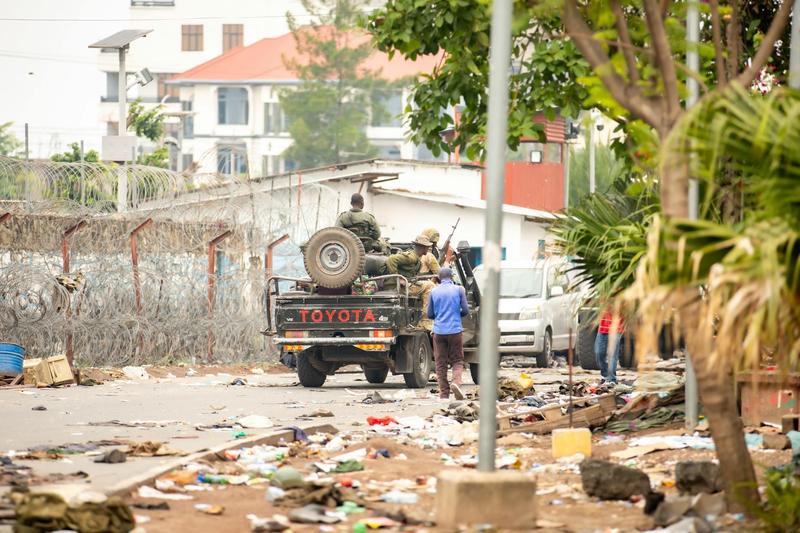
Analysis: Colombia’s police brutality – an issue there too, despite the media’s narrative

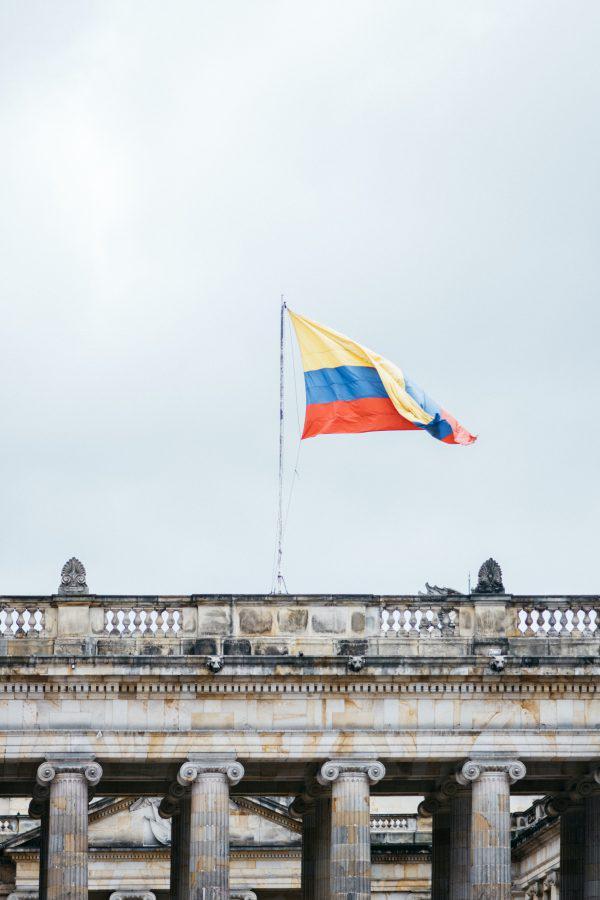
While cases of police abuse in the U.S. have received national attention and sparked outrage around the world, cases in other countries, such as Colombia, get little traction in English language news outlets and was drastically decontextualized by Colombian media, essentially creating a news blackout of non-U.S. police abuse, despite the need for global attention toward the issue.

Lincoln police facing communication challenges to serve ESL population

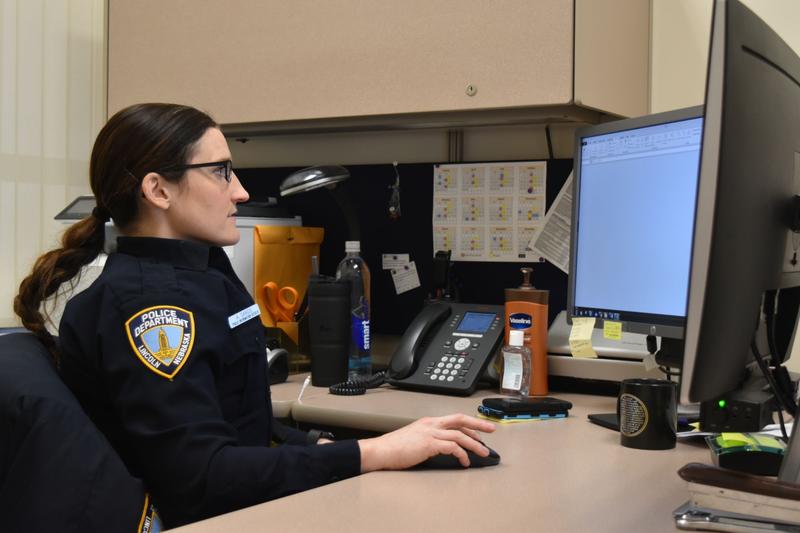
Lincoln police say they are increasingly challenged to serve people from non-English speaking backgrounds whose culture and language don’t match those of their line officers.

While LPD has several officers who are bilingual and generally has someone on duty for Spanish translation, there is a need for more bilingual staff representing other languages, said LPD spokeswoman Angela Sands, adding that the department also lacks in diversity