I work at the intersection of research and communication to make complex climate data usable in practice. For this project, I worked with hydrologists and community stakeholders to make the National Oceanic and Atmospheric Administration’s National Water Model— a powerful but highly technical forecasting system— more usable for non-technical users like emergency managers, planners, and local practitioners who rely on it. The result was FloodSavvy, a resource co-developed with communities that presents technical information more simply.
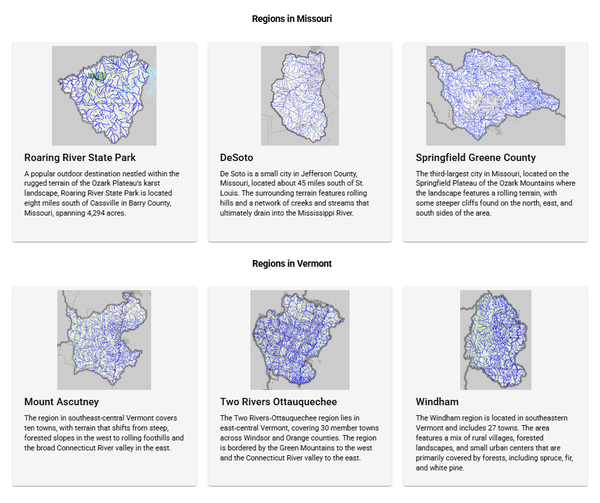
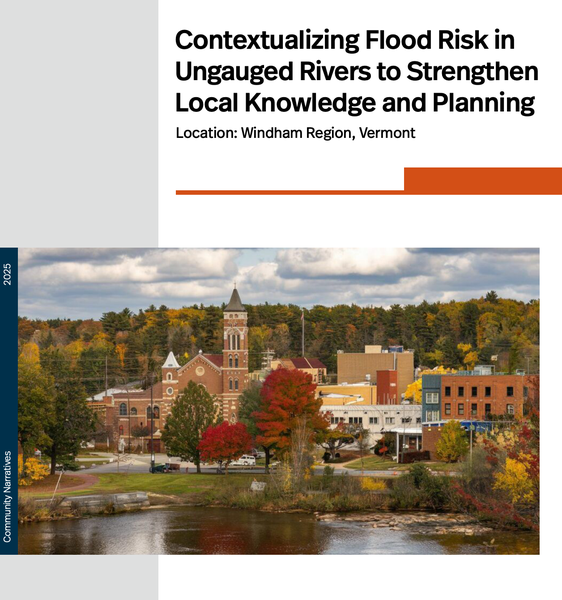
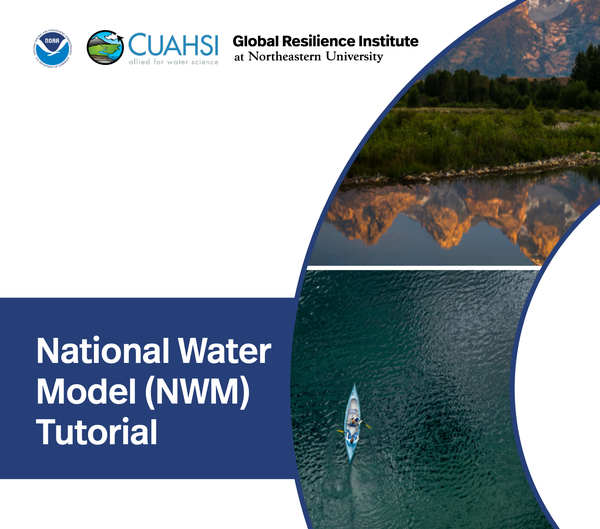
For this project, I interviewed practitioners across six U.S. communities, identified where technical outputs broke down for these users through qualitative analysis, and translated those insights into accessible content. I led the development of public-facing content explaining what the tool does and why it matters, produced community narratives documenting how practitioners are using it in real-world contexts, and co-developed a step-by-step tutorial introducing non-technical users to the National Water Model itself.
Earlier communications work, where I managed both the organization and communication of the following public events and expert panels, writing recaps and Q&As that translated discussions on resilience, climate, and humanitarian work into content for a public audience.